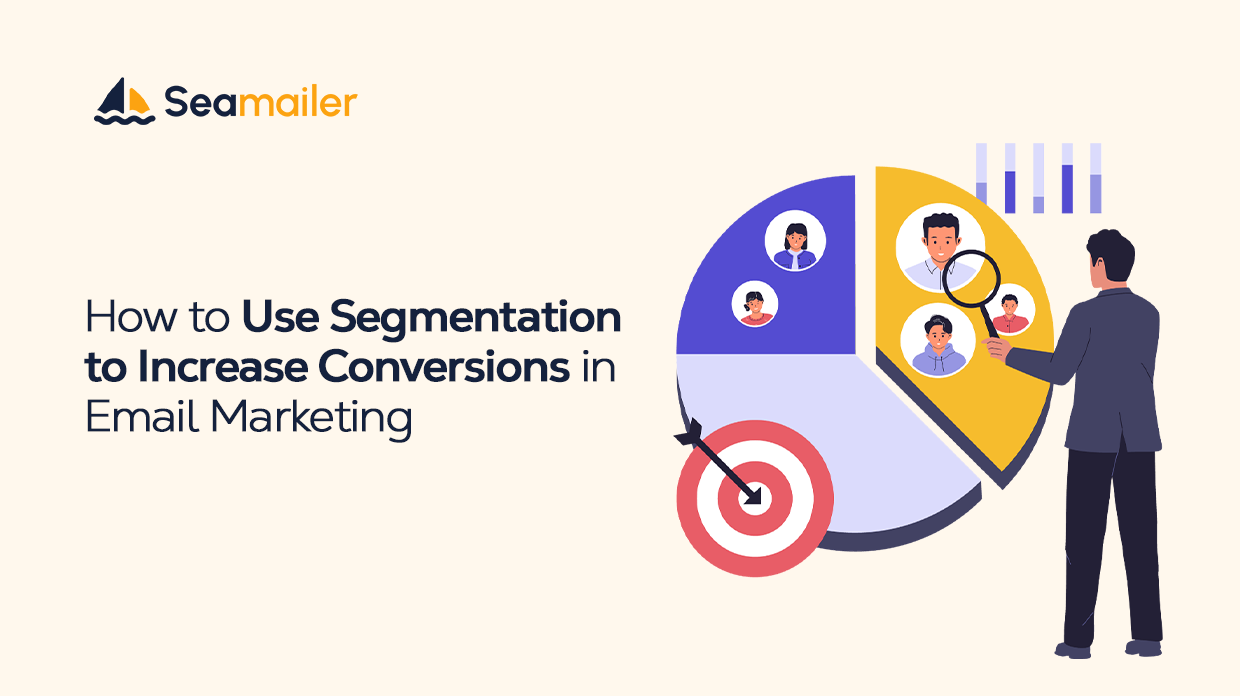
How to Use Segmentation to Increase Conversions in Email Marketing
Email marketing has been around for decades, but it still outperforms almost every other digital channel when it comes to ROI. In fact, according to HubSpot, email marketing generates $36 for every $1 spent - that’s a staggering 3,600% ROI. But here’s the catch: blasting the same generic message to your entire list doesn’t work anymore.
Think about it. Would you open an email that feels irrelevant to you? Probably not. Your subscribers are no different. If you want to see higher open rates, click-throughs, and ultimately more sales, you need to send the right message to the right person at the right time.
That’s where segmentation comes in.
In this guide, I’ll break down exactly how email segmentation works, why it’s so powerful, real-world examples of it in action, and practical tips you can use today to boost conversions.
What Exactly Is Email Segmentation?
At its core, email segmentation is the process of dividing your email list into smaller groups (segments) based on shared characteristics. Instead of sending the same email to 10,000 people, you send personalized versions tailored to different audience groups.
For example:
- A fashion retailer might send summer dress promotions to women in warm climates and winter coats to subscribers in colder areas.
- A SaaS company might send beginner tutorials to new signups and advanced feature updates to power users.
- An e-commerce store might send cart abandonment reminders only to people who added items to their cart but didn’t check out.
Segmentation ensures every email feels personal, timely, and relevant - and that’s exactly what drives conversions.
Why Segmentation Matters for Conversions
You might be wondering: “Does segmentation really make that much of a difference?”
The short answer: absolutely. Let’s look at some hard data:
- According to Mailchimp, segmented email campaigns see a 14.31% higher open rate and a 100.95% higher click-through rate compared to non-segmented campaigns.
- Campaign Monitor found that marketers who use segmentation report a 760% increase in revenue.
- HubSpot reports that personalized CTAs (which often stem from segmentation) perform 202% better than generic ones.
In short: segmentation isn’t just a “nice-to-have.” It’s the difference between being ignored in the inbox and being welcomed like a trusted advisor.
Types of Email Segmentation (With Examples)
There are countless ways to slice and personalize your audience, but these six segmentation types consistently deliver the best results — both in engagement and revenue.
1. Demographic Segmentation
Segment based on fundamental traits like age, gender, income, education, or occupation.
Example: A fitness brand could promote high-intensity training plans to younger audiences and low-impact routines to older subscribers who prefer joint-friendly workouts.
2. Geographic Segmentation
Target subscribers by location, whether it’s an entire country or a single neighborhood.
Example: A restaurant chain can send localized offers or menu updates only to customers living near specific branches.
3. Behavioral Segmentation
Focus on how subscribers interact with your brand — their browsing habits, purchase history, or engagement level.
Example: An e-commerce store can automatically send personalized product recommendations based on past purchases or recently viewed items.
4. Psychographic Segmentation
Go beyond surface-level data and connect through values, interests, and lifestyles.
Example: A travel company might target “adventure seekers” with hiking expeditions while promoting luxury getaways to travelers who value comfort and exclusivity.
5. Lifecycle Stage Segmentation
Recognize where each subscriber is in their buyer journey — from awareness to advocacy.
Example: Send educational content to new leads, special discounts to those comparing options, and loyalty rewards to long-term customers.
6. Engagement Level Segmentation
Not every subscriber engages the same way — some are highly active, others go silent.
Example: Create re-engagement campaigns with incentives or fresh content to win back inactive subscribers while nurturing your top openers with early access and insider updates.
Pro Tip: Start small. Combine just two types — say, behavioral + lifecycle — and you’ll already see a major lift in click-through and conversion rates.
Storytelling: How Segmentation Turned My Campaigns Around
Let me share a quick story.
When I first started running email campaigns, I made the classic rookie mistake — sending the same newsletter to everyone. No personalization, no targeting, just one-size-fits-all.
The result? My open rates hovered around 15%, and conversions were almost nonexistent.
Then I discovered segmentation.
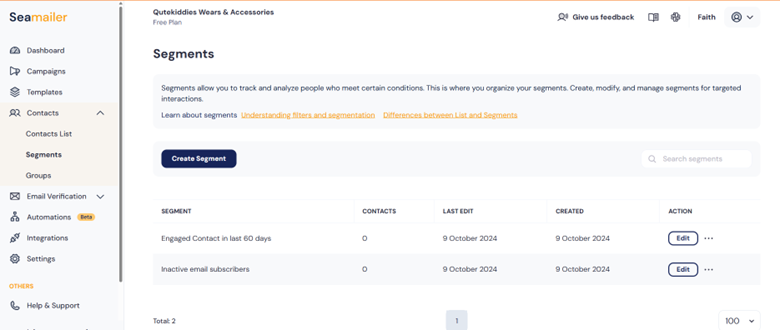
I divided my list into three simple groups:
- New Subscribers: I sent a warm welcome sequence filled with helpful tips and resources.
- Engaged Readers: They received exclusive invitations to webinars and in-depth guides.
- Inactive Users: I reached out with a friendly “We miss you” email and a small discount to reignite interest.
Within 60 days, my open rate climbed to 28%, and conversions nearly tripled.
That’s when it clicked — segmentation isn’t optional; it’s essential.
Once you start treating your audience like individuals instead of a list, everything changes — engagement, loyalty, and sales.
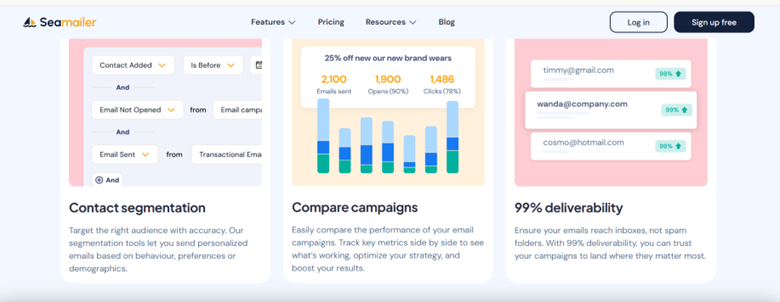
Tools and Platforms That Help With Segmentation
Now, segmentation sounds great, but doing it manually is overwhelming. Thankfully, most modern email marketing platforms come with segmentation features built in. Let’s quickly compare a few:
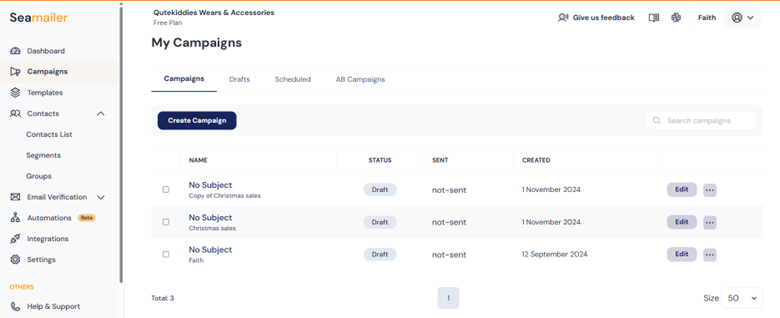
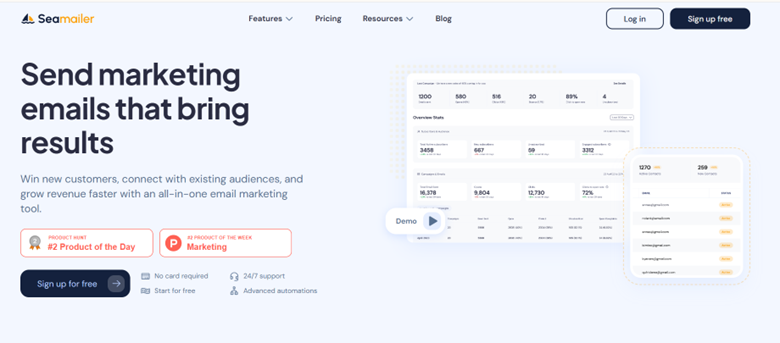
1. Seamailer
- Best for: Small to medium-sized businesses that want simplicity + power.
- Features: Easy list segmentation, automation, A/B testing, and advanced analytics.
- Pros: Affordable, intuitive, and built with startups in mind.
- Cons: Still growing compared to larger players.
2. Mailchimp
- Best for: Beginners and general marketers.
- Features: Pre-built segments, predictive insights, and strong integrations.
- Pros: Easy to get started.
- Cons: Pricing gets expensive as your list grows.
3. ConvertKit
- Best for: Creators and solo entrepreneurs.
- Features: Tag-based segmentation, automation rules, and subscriber scoring.
- Pros: Flexible and creator-friendly.
- Cons: Limited design options for advanced users.
The good news? No matter which tool you pick, segmentation is just a few clicks away.
Best Practices for Email Segmentation
Okay — you know what segmentation is and why it matters. Now let’s talk about how to actually get it right in the real world.
1. Start Simple
Don’t overthink it. Begin with just two or three segments — for example, new subscribers, active users, and inactive users.
Once you’ve mastered the basics, you can layer in more detailed segments over time.
2. Use Data Wisely
Collect only what you truly need.
Every extra field in your signup form adds friction — and too many questions can scare people away.
Start small (like first name and email) and build richer profiles through engagement later.
3. Combine Segmentation with Personalization
Think of segmentation as the “who”, and personalization as the “what.”
Used together, they create laser-targeted campaigns that feel tailor-made.
Example: Don’t just segment by geography — also include the subscriber’s first name or local event in the subject line.
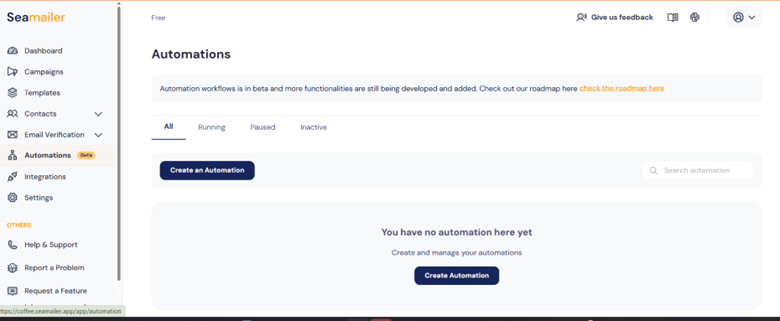
4. Automate Wherever Possible
Save time (and sanity) by automating key flows like:
- Welcome sequences for new subscribers
- Abandoned cart reminders
- Re-engagement campaigns for inactive users
Automation ensures every subscriber gets the right message — at the right time — even while you sleep.
5. Test and Optimize Constantly
Your first version won’t be perfect — and that’s okay.
Use A/B testing to discover what resonates with each segment.
What drives clicks for one audience might fall flat for another. Let the data guide you.
6. Keep It Dynamic
People’s interests evolve — and your segments should too.
Use dynamic segmentation so groups update automatically based on real-time behavior.
That way, your emails always stay relevant, no matter how your audience changes.
Pro Tip: The goal of segmentation isn’t to send more emails — it’s to send smarter ones. The more relevant your message, the stronger your relationship with your subscribers.
Real-World Case Studies
Case Study 1: E-commerce Brand Boosts Sales by 30%
A fashion retailer segmented their list by gender and purchase history. Instead of sending one generic promotion, they sent men’s jackets to male customers and handbags to female customers.
Result: 30% increase in sales in just one campaign.
Case Study 2: SaaS Company Reduces Churn
A SaaS startup segmented users by feature usage. Inactive users received targeted tutorials, while active users got advanced feature highlights.
Result: churn dropped by 12% within three months.
Case Study 3: Fitness Coach Increases Engagement
A personal trainer segmented clients into beginners, intermediates, and advanced athletes. Each group received tailored workout emails. Engagement doubled, and client satisfaction soared.
Common Mistakes to Avoid
- Over-segmentation: Don’t slice your list into 100 tiny groups - you’ll overwhelm yourself.
- Neglecting inactive subscribers: Don’t just ignore them - try re-engagement campaigns first.
- Forgetting compliance: Always follow GDPR, CAN-SPAM, and other email laws when collecting and storing data.
- Relying only on demographics: A 30-year-old and a 50-year-old might have the same buying habits. Combine multiple data points.
Action Plan: How to Get Started with Segmentation Today
- Audit your list – See what data you already have.
- Define your goals – Do you want more opens, clicks, or sales?
- Pick 2–3 segmentation criteria – Keep it manageable at first.
- Create targeted campaigns – Craft content for each segment.
- Track performance – Use analytics to see what’s working.
- Refine and repeat – Improve your segments over time.
Conclusion
Email segmentation isn’t just a marketing tactic - it’s the secret sauce behind high-performing campaigns. When you stop treating your subscribers like one big list and start treating them like individuals, the results speak for themselves: higher engagement, happier customers, and a healthier bottom line.
If you haven’t started with segmentation yet, now’s the time. Even small steps - like splitting new vs. returning customers - can make a massive difference. Trust me, once you see the numbers, you’ll wonder how you ever sent emails without it.