
How to Choose the Best Email Marketing Platform for Your Business
If there’s one marketing channel I’ll never stop vouching for, it’s email.
I know, I know - social media gets all the hype these days. TikTok, Instagram, LinkedIn - it’s tempting to think that email is “old school.” But here’s the truth: email marketing is still one of the highest ROI channels you can invest in.
According to Litmus, every $1 spent on email marketing generates an average of $36 in return. That’s hard to beat. But here’s the catch: your results depend heavily on the email marketing platform you choose.
When I started with email marketing, I made the rookie mistake of picking a platform just because it was “popular.” I didn’t really think about my actual needs. Fast forward a few months, and I was frustrated - paying for features I didn’t use, struggling with clunky interfaces, and wasting hours on things that should have taken minutes.
That’s why in this article, I’m breaking down how to choose the best email marketing platform for your business. I’ll walk you through what matters (and what doesn’t), share personal lessons, and give you practical criteria to make the right call.
Why Choosing the Right Platform Matters
Here’s something most people don’t realize: your email marketing tool isn’t just “where you send emails.” It’s the foundation of your strategy.
- It impacts your efficiency. A good platform saves you time; a bad one eats up hours.
- It affects your deliverability. Some providers have stronger reputations with inbox providers (like Gmail or Outlook) than others.
- It shapes your customer experience. If your platform can’t segment or personalize well, your subscribers will feel like you’re blasting generic spam.
So, it’s not just about picking “Mailchimp vs. ConvertKit vs. Seamailer”. It’s about finding the tool that aligns with your goals, business model, and budget.
Step 1: Understand Your Business Needs
Before comparing platforms, start with yourself.
Ask:
- How big is my email list now?
- How fast is it growing?
- What’s my main goal - sales, nurturing, education, or all of the above?
- Do I need advanced automation, or will a simple newsletter tool do?
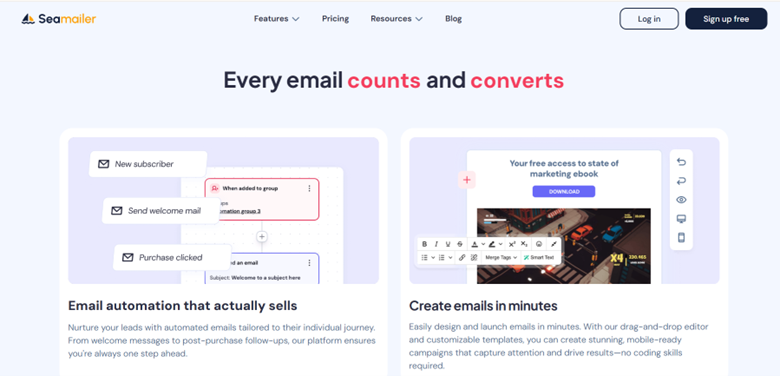
For example, when I was freelancing, all I needed was a tool to send a weekly newsletter. But when I launched an online course, I needed more complex automations (welcome sequences, abandoned cart emails, re-engagement campaigns).
Your needs will evolve, but knowing where you stand now helps you avoid paying for bells and whistles you don’t actually need.
Step 2: Look at Core Features
While every platform loves to market itself as “the easiest” or “the most powerful,” there are a handful of core features that really matter.
1. Ease of Use
If the dashboard makes you feel like you need a degree in rocket science, that’s a red flag. Look for a drag-and-drop editor, intuitive navigation, and clear reporting.
2. Automation
Automation is where email marketing shines. Can you:
- Send welcome sequences?
- Set up abandoned cart flows?
- Trigger emails based on behavior (like clicks, purchases, or sign-ups)?
The right platform makes automation easy without needing endless tutorials.
3. Segmentation & Personalization
Not all your subscribers are the same. Your platform should let you:
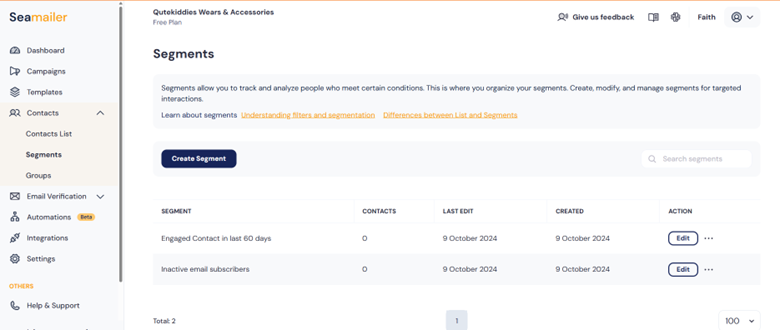
- Segment by demographics, interests, or behavior.
- Personalize emails with names, locations, or purchase history.
This is key for higher open rates and engagement.
4. Analytics & Reporting
At a minimum, you want to track:
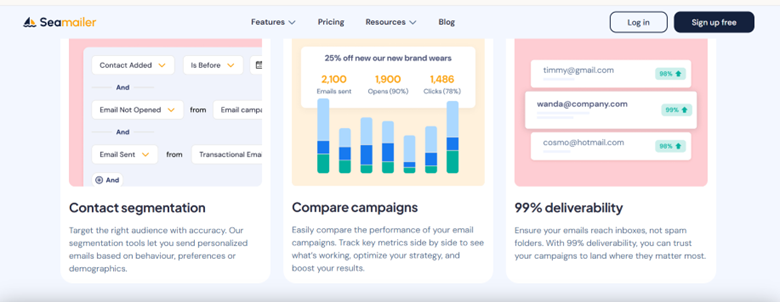
- Open rates
- Click-through rates (CTR)
- Conversions
- Revenue (if e-commerce is involved)
Good analytics help you learn what’s working and double down.
5. Deliverability
You can write the world’s best subject line, but if your email lands in spam, it’s game over. Research each platform’s reputation for deliverability.
Step 3: Consider Advanced Features (If You Need Them)
Once you’ve nailed the basics, ask yourself: do you need more advanced features?
- CRM Integration: Do you want your email platform to double as a lightweight customer relationship manager?
- Landing Pages & Forms: Some tools let you build these without third-party software.
- AI Features: Things like AI-powered send time optimization or subject line suggestions.
- E-commerce Features: Product recommendations, cart recovery, and revenue attribution.
Not every business needs these. But if you do, choosing a platform that includes them saves money and hassle.
Step 4: Pricing & Scalability
Here’s where a lot of people get stuck.
Most email platforms look affordable at first - until your list grows. Suddenly, that $15/month plan turns into $150/month.
My advice? Don’t just compare current pricing. Look at what it will cost you when you hit your next milestones (like 5,000 or 10,000 subscribers).
Also, check if they offer:
- A free plan (great for testing)
- Pay-as-you-go credits (if you send emails occasionally)
- Transparent pricing (no hidden costs)
Step 5: Customer Support & Resources
Trust me on this: at some point, you’ll run into an issue. Maybe your automation breaks, or you can’t figure out a setting. When that happens, you’ll be grateful for responsive customer support.
Look for:
- 24/7 live chat or email support
- An extensive knowledge base
- Community forums or user groups
The difference between waiting two days for a reply vs. getting help in 10 minutes is huge.
Step 6: Test Before You Commit
Almost every major platform offers a free trial or free plan. Use it!
During your trial, pay attention to:
- How fast can you set up your first campaign?
- Whether the workflow feels natural.
- How much time it saves (or wastes) compared to your current process.
I once trialed a platform that everyone raved about, but I hated the interface. That trial saved me months of frustration.
Popular Email Marketing Platforms (Quick Rundown)
Here’s a quick breakdown of some of the most popular tools, just to give you context:
- Mailchimp: Beginner-friendly, good templates, but gets pricey as you grow.
- ConvertKit: Great for creators and bloggers, strong automation, simple interface.
- Klaviyo: Powerful for e-commerce brands, advanced segmentation, tight Shopify integration.
- ActiveCampaign: Excellent automation and CRM features, but a steeper learning curve.
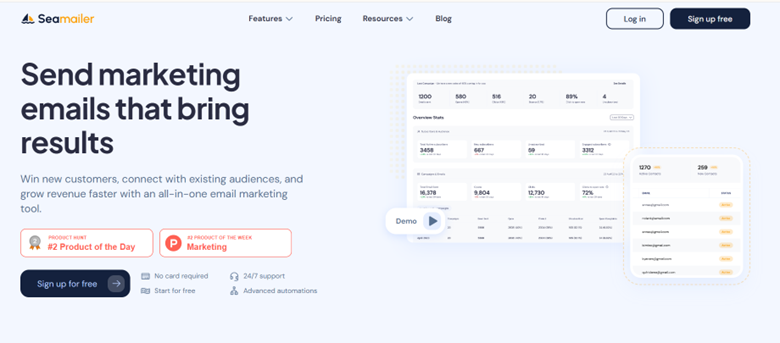
- Seamailer: Affordable, intuitive, built for startups, SMBs, and marketers who want power without complexity.
(Always test them yourself - what works for me may not work for you.)
Mistakes to Avoid When Choosing an Email Platform
I’ve made some of these myself — so learn from me:
1. Chasing Features You Don’t Need
It’s easy to get dazzled by fancy dashboards and automation features. But if all you need is to send a simple newsletter, don’t overpay for enterprise-level CRM tools you’ll never touch.
2. Not Thinking About Growth
That “cheap” plan might look like a steal today, but as your list grows, pricing can scale fast. Always check how costs increase with subscriber count and what limits apply.
3. Ignoring Deliverability
A beautiful template means nothing if your emails land in spam. Before committing, check the platform’s reputation for deliverability — it directly impacts your results.
4. Switching Too Often
Constantly migrating between platforms is exhausting. You risk losing data, breaking automations, and confusing subscribers. Do your research upfront so you can stick with one reliable tool long-term.
A Simple Framework for Choosing Your Platform
Here’s a quick framework I use when helping clients choose their tool:
- Define your primary goal. (E.g., nurture leads, drive e-commerce sales, or build community.)
- List must-have features. (E.g., automation + segmentation.)
- Set your budget. (Not just now, but at 5K, 10K, or 50K subscribers.)
- Trial 2–3 platforms. (Don’t just read reviews - actually test.)
- Commit to and learn the tool. (Whichever one you choose, give it time.)
Conclusion
Choosing an email marketing platform is a bit like choosing a business partner - it needs to be the right fit for where you are and where you’re going.
If I could give you one piece of advice, it’s this: don’t overcomplicate it. You don’t need the fanciest platform on day one. Start with something simple, focus on building your list, and then upgrade as your needs evolve.
At the end of the day, the tool matters - but how you use it matters even more. The best platform in the world won’t help if you’re not consistently sending valuable, engaging emails.
So pick your tool, start small, and grow with it. Your future self (and your subscribers) will thank you.